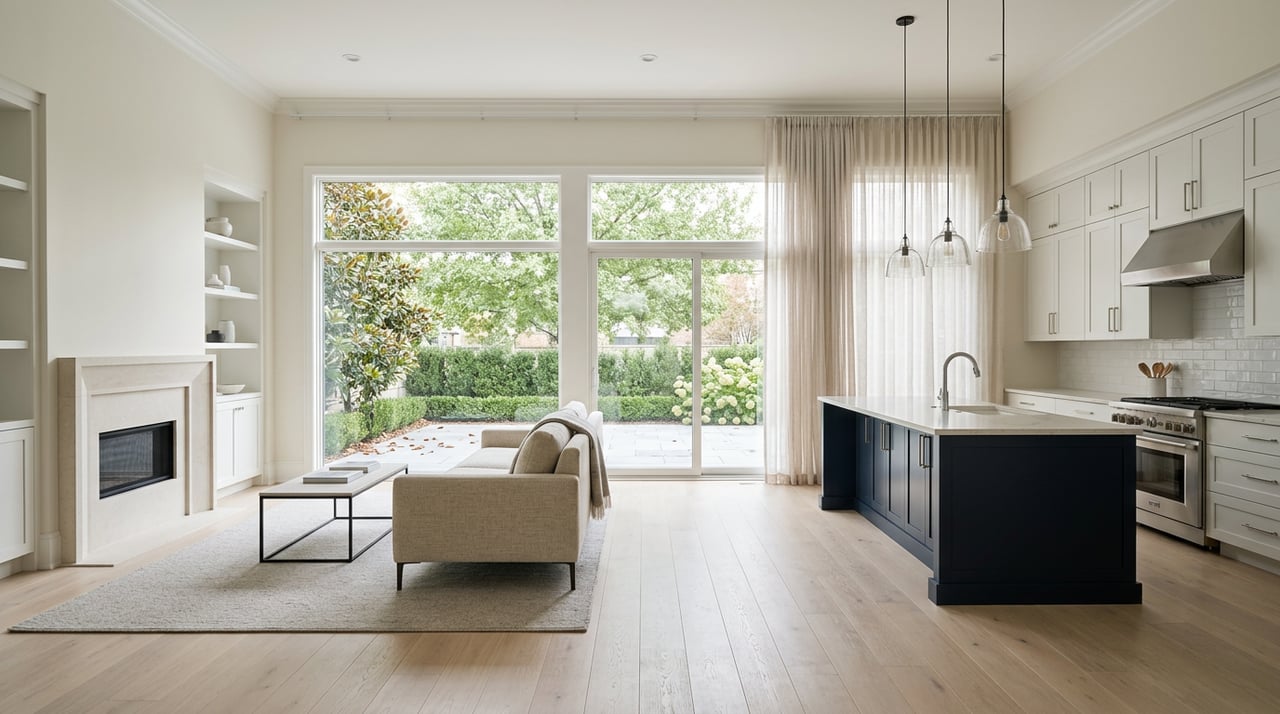
Discover Hope Valley and Croasdaile Golf Living in Durham
March 5, 2026
March 5, 2026
Imagine waking up to quiet, tree‑lined streets, a quick coffee before morning tennis, and a short drive to downtown Durham for dinner. If you are weighing where to land in Durham’s golf‑lifestyle scene, two names rise to the top: Hope Valley and Croasdaile. Each offers country‑club living, mature green space, and convenient access to work and play. In this guide, you will learn how these communities differ in vibe, homes, amenities, and daily rhythm so you can choose the right fit. Let’s dive in.
Hope Valley and Croasdaile are classic Durham country‑club communities with distinct origins and personalities. Hope Valley grew around a 1920s Donald Ross course and reads as an older, historic enclave with larger, wooded lots and mature landscaping. Croasdaile took shape later from farmland into a larger planned community anchored by its own club and a nearby retail node.
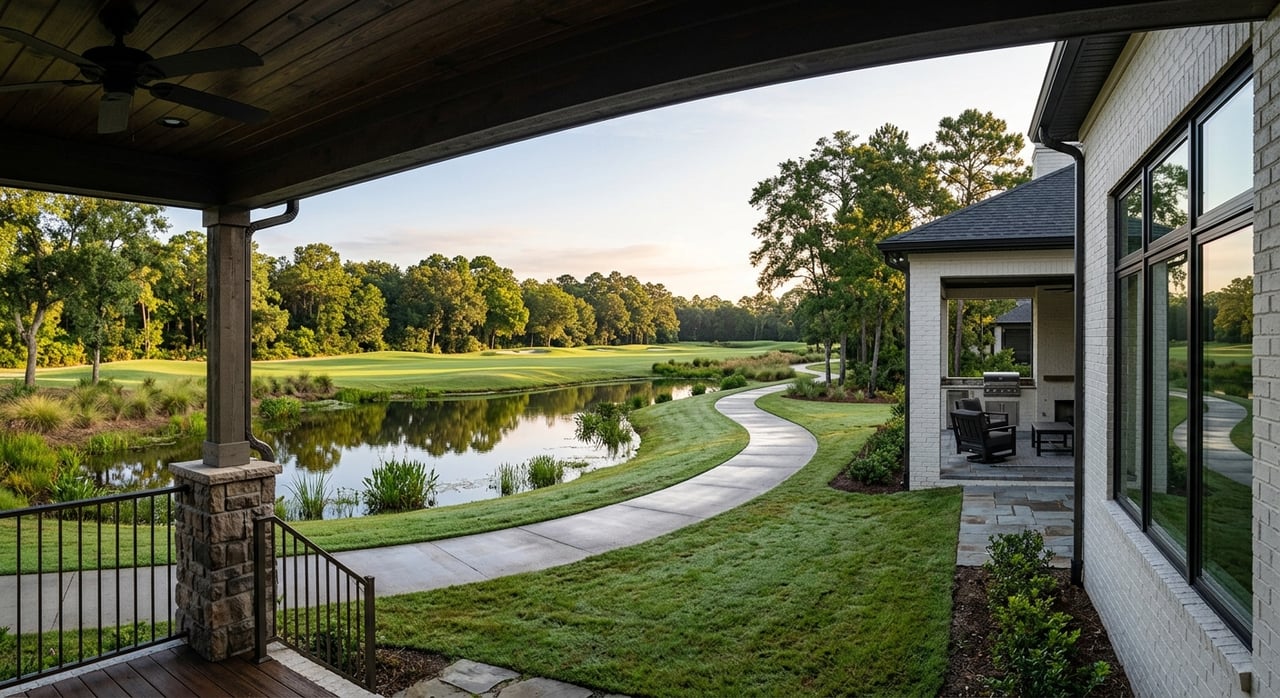
Weekday mornings often start with a peaceful walk among mature trees and long‑standing landscaping. Neighbors loop along Third Fork Creek or pass by the course on quiet, low‑traffic streets. The Hope Valley Neighborhood Association highlights the community’s established, wooded feel.
Midweek, you might head to Hope Valley Country Club for tennis or pickleball, then stay for a casual dinner in the clubhouse. The club runs a seasonal calendar with junior golf, racquet leagues, and member events.
On weekends, family golf and junior lessons take center stage, followed by brunch at the clubhouse. Many residents mix in quick trips to downtown Durham for events or to Duke Gardens for a nature break. The overall pace is deliberate and home‑and‑club focused.
Mornings often start with a jog or dog walk on neighborhood trails through preserved meadows and around ponds. School drop‑off and a short commute are common, and some residents walk or bike to a neighborhood retail stop for coffee.
Midweek evenings bring options at Croasdaile Country Club, including tennis and new pickleball courts, or a casual dinner nearby. The area around retail feels more walkable, with steady pedestrian activity.
On weekends, youth sports at Valley Springs Park or hikes at Eno River and in Duke Forest are popular. Brunches and social events at the club mix with neighborhood gatherings. The overall pace is active, outdoorsy, and family‑friendly.
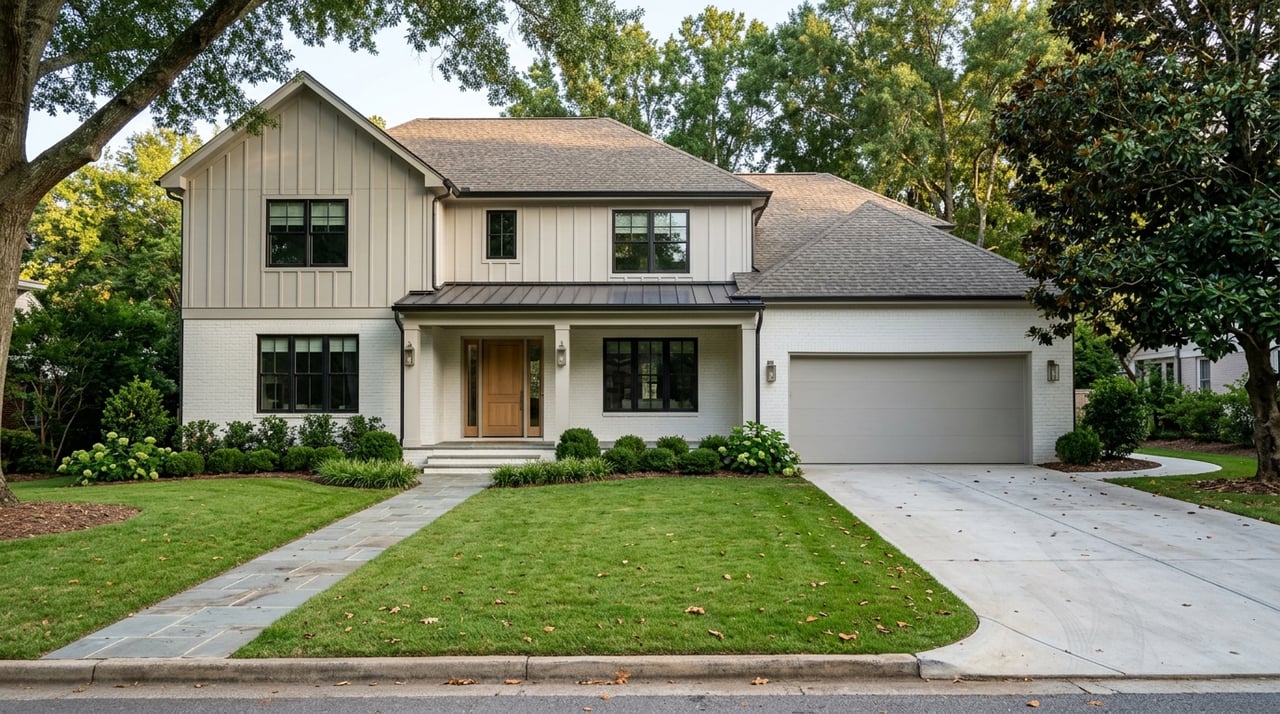
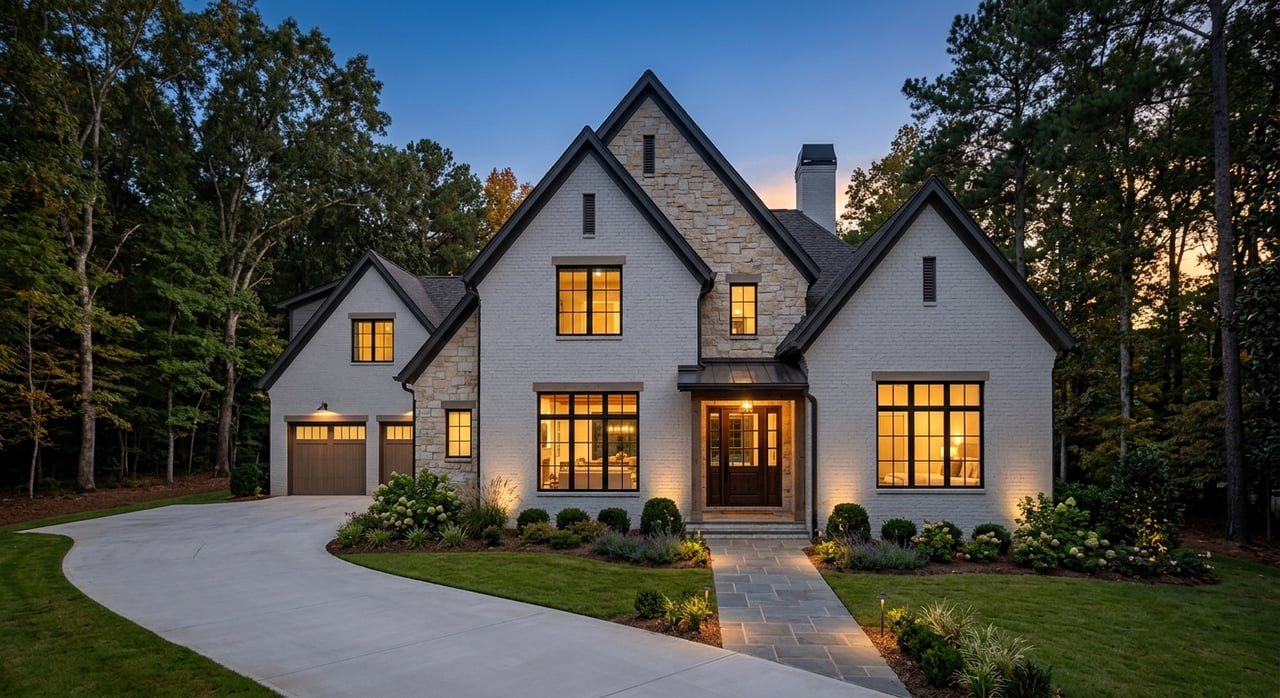
Hope Valley grew in the mid‑1920s around a Donald Ross course. The core of the neighborhood sits within the Hope Valley Historic District, which includes Colonial Revival and Tudor Revival examples, according to this overview of Hope Valley. Expect high‑quality craftsmanship, large lots in the historic core, and extensive mature trees. In recent years, owners have pursued sympathetic renovations, select infill on side lots, and occasional tear‑down replacements with high‑end new construction.
What this means for you: if you value architectural character, privacy, and a classic golf‑course backdrop, Old Hope Valley offers a distinctive blend. Home prices in the historic core often sit above broader ZIP‑code medians due to lot size and home scale.
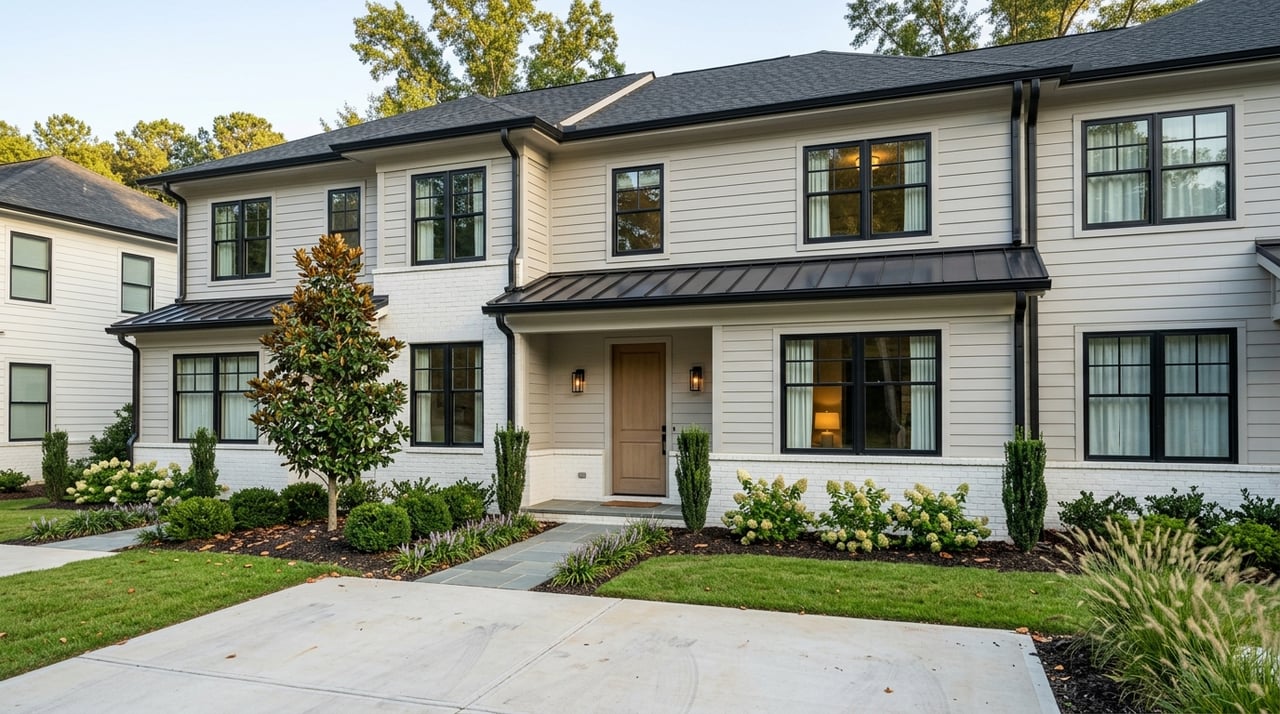
Croasdaile grew from farmland and was built mainly from the 1960s through the 1990s, with later phases such as Croasdaile Farm in the 1980s. You will find a mix of New‑Traditional and Colonial‑influenced homes, ranches, split‑levels, planned subdivisions, and luxury townhomes. Many lots are smaller than Old Hope Valley’s, yet the neighborhood preserves ponds, meadows, and greenway‑like corridors.
What this means for you: if you want variety in home types and price points within a planned, green setting, Croasdaile provides range and convenience without giving up natural buffers.
Hope Valley Country Club features an 18‑hole Donald Ross course, clubhouse dining, tennis and pickleball, a resort‑style pool, and year‑round programming for members. Seasonal calendars include family‑friendly events and junior athletics. Membership is private and separate from homeownership. If you are evaluating initiation and dues, contact the club directly for current terms.
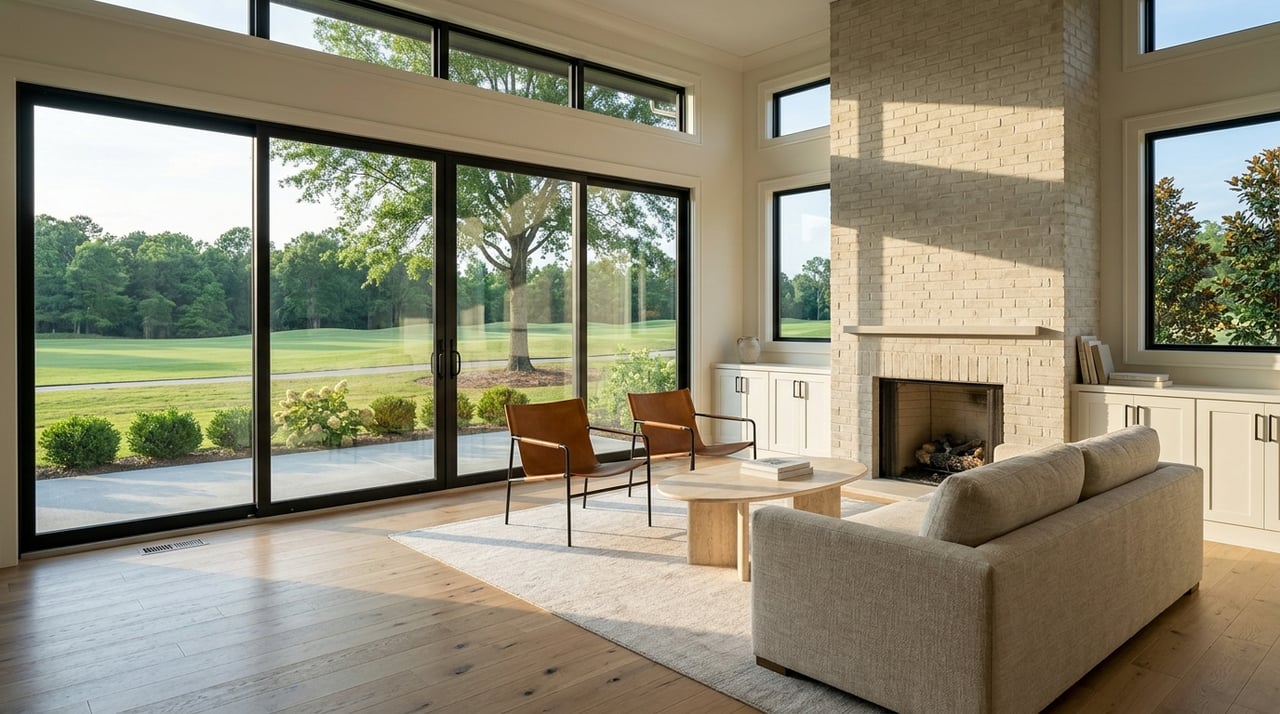
Croasdaile Country Club offers an 18‑hole course designed by George Cobb, clubhouse dining, racquet sports that include tennis and pickleball, swimming, and renovation projects highlighted by the club. Like Hope Valley, membership is optional and separate from owning a home.
Both neighborhoods are car‑oriented but offer quick access to Durham’s major routes and outdoor escapes.
Commute times vary with traffic and schedule. If you are deciding between the two, test your typical route during peak hours before making an offer.
Many listings in the Hope Valley area name Hope Valley Elementary, Sherwood Githens Middle, and Charles E. Jordan High as typical public schools. Croasdaile listings commonly reference Hillandale Elementary, Brogden Middle, and Riverside High. Because assignment can change, always verify a specific address with Durham Public Schools before making a decision. For context on local schools, you can review public profiles such as this listing for Hope Valley Elementary.
Use ZIP‑level medians as a starting point, then look at neighborhood comparables. As of January 2026, the median sale price in ZIP 27707, which covers the Hope Valley area, is about $409,000. In ZIP 27705, which covers Croasdaile, it is about $478,000. These medians include a wide range of property types, from condos and modest ranches to large, high‑end homes. The historic Hope Valley core commonly trades above the ZIP median due to lot size and home scale, while Croasdaile spans townhomes through larger single‑family homes.
When you are serious about a purchase or sale, review the past 6 to 12 months of neighborhood comps and sub‑section HOAs to get precise pricing guidance.
Both neighborhoods deliver the Triangle’s golf lifestyle with strong convenience. Your best fit depends on how you like to live day to day.
Not sure which aligns with your goals? A short neighborhood tour during a weekday evening and a Saturday morning will tell you a lot about traffic patterns, club activity, and overall vibe.
If you are exploring country‑club living in Durham, you deserve guidance that blends club‑level knowledge with polished market insight. North Carolina Golf Homes pairs a golf‑focused approach with the reach of Coldwell Banker Advantage to help you compare homes, clubs, and HOA structures with confidence. Services include buyer and seller representation, curated MLS search for Triangle golf communities, instant home valuation, and personalized consultations.
Ready to map the right club and home to your lifestyle? Connect with Eddie Niemeyer to begin your search and schedule a free consultation.
Stay up to date on the latest real estate trends.
Eddie Niemeyer leverages local Raleigh knowledge, Coldwell Banker Advantage’s vast resources, and a client-centered mindset. Let him guide you confidently through buying, selling, or investing with personalized service and strategic insight.