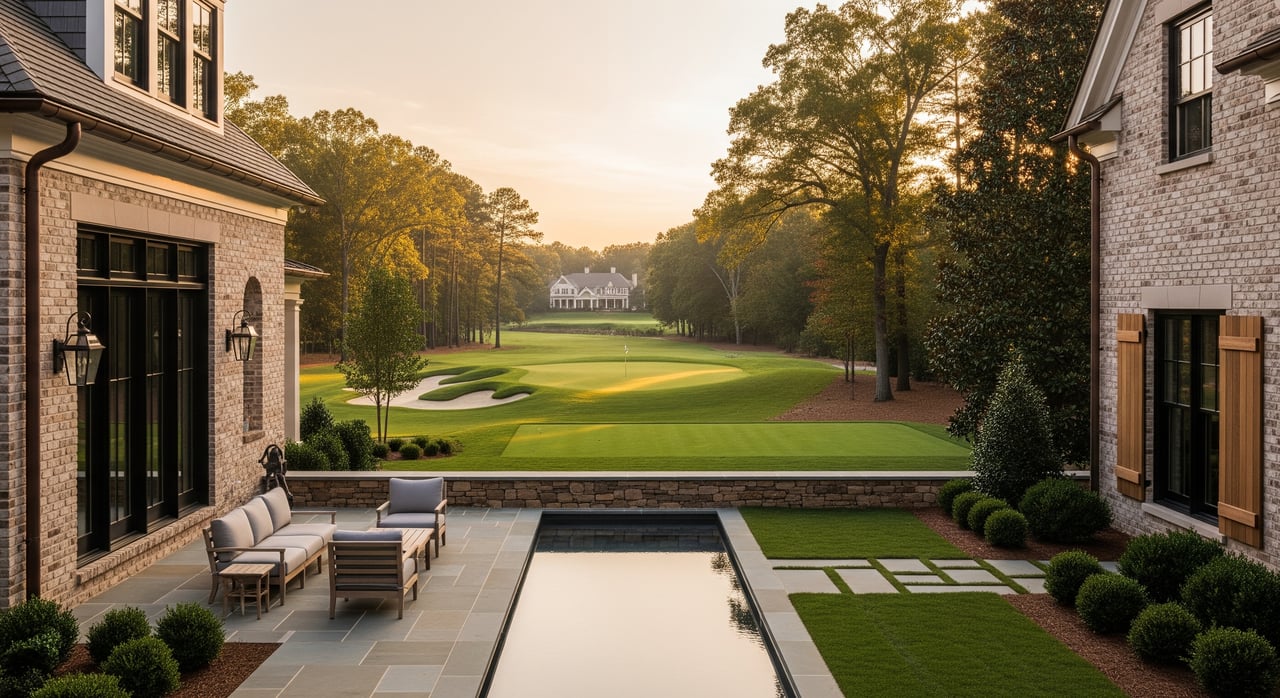
Understanding the Golf Course Lot Premium Raleigh Buyers Pay
December 18, 2025
December 18, 2025
Thinking about a home that backs to a fairway or offers a sweeping green view? You are not alone. In Raleigh and Cary, homes with a direct golf relationship often attract more attention and can sell for more than similar homes off the course. In this guide, you will learn what a golf course lot premium really means, how it shows up in the market, and what to consider as a buyer or seller in Wake County. Let’s dive in.
A golf course lot premium is the extra value buyers assign to a home with a course relationship compared to a similar home without it. That value can show up as a higher price, a faster sale, or both. It can also come with different ownership costs when a community includes HOA dues or club fees.
Common lot positions include:
There is no universal number for the premium. It depends on the neighborhood, course quality, lot position, and current market conditions in Wake County.
The best approach for a specific property is to study local MLS data, confirm lot lines and adjacency, and lean on appraisers who work in Raleigh’s golf communities.
Private or prestigious clubs often support larger premiums than municipal or public courses. Well-kept fairways, consistent turf, and attractive landscaping increase perceived value. Club amenities like dining, fitness, pools, or social programs can add appeal that is separate from the view itself.
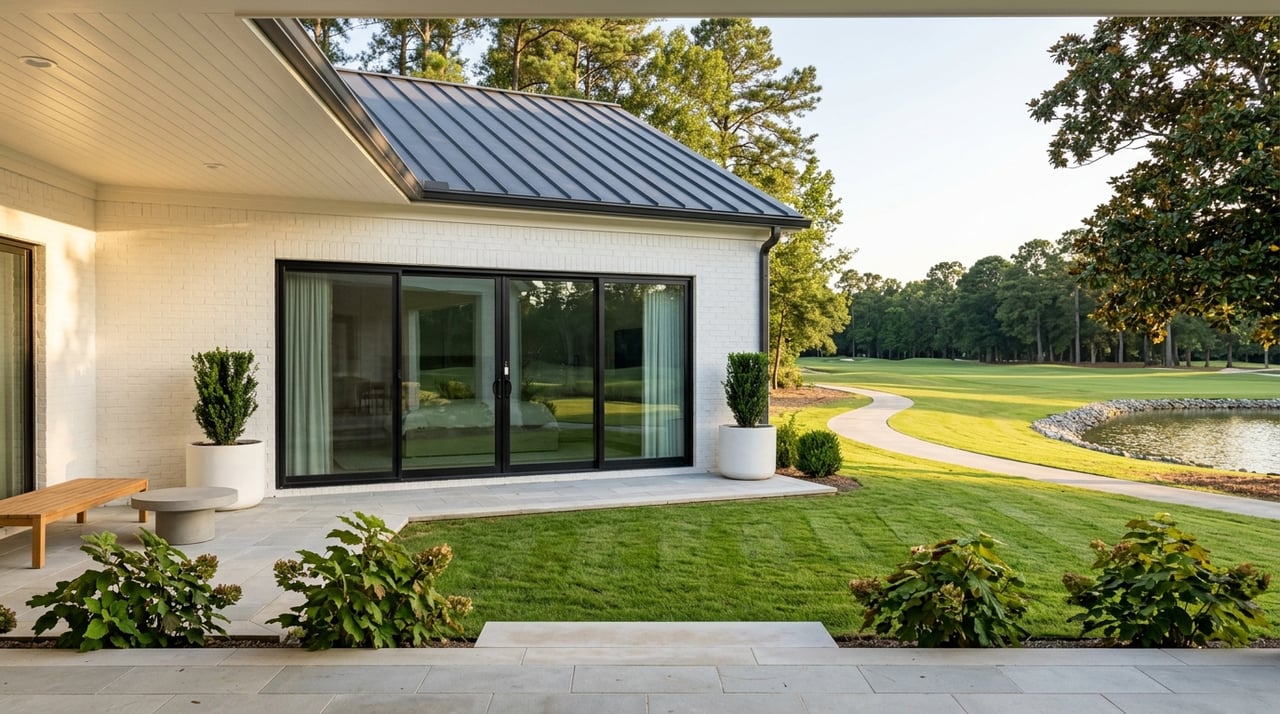
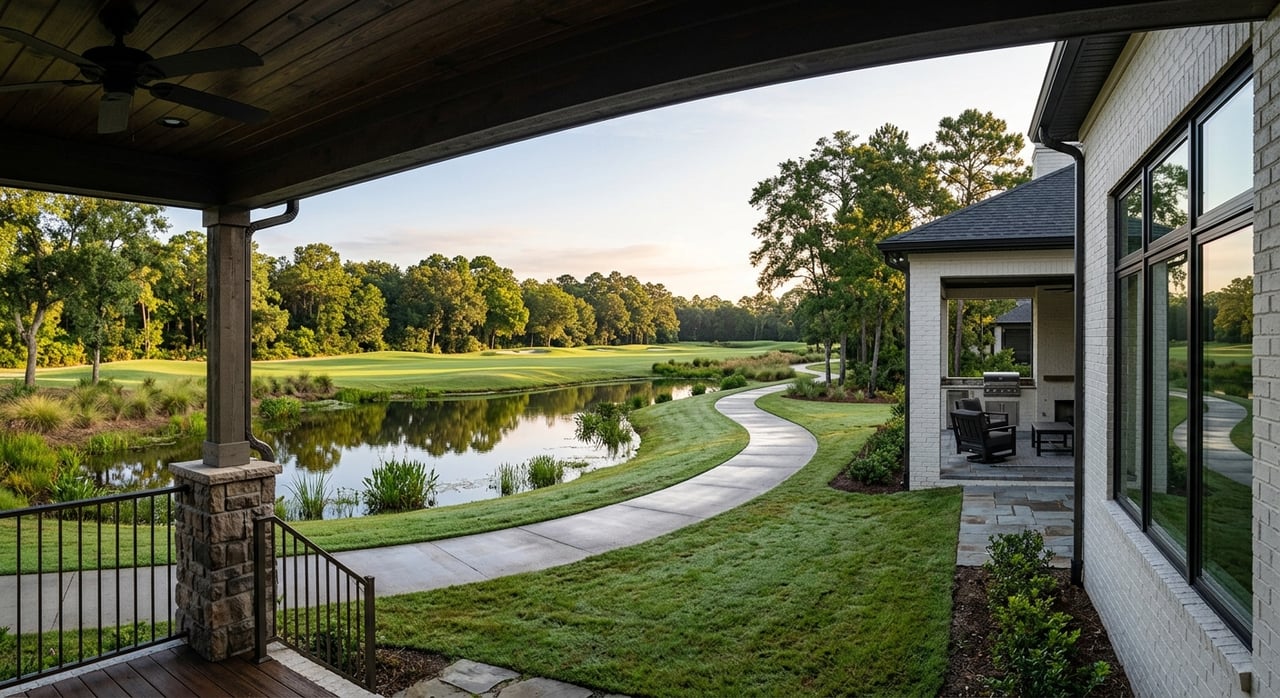
Direct fairway frontage tends to be most sought after. Slight elevation can open up longer sightlines and enhance privacy. Long, open fairway views usually carry more value than partial or obstructed views near a single green.
Lots by cart paths, practice ranges, or walkways may see more traffic and noise, which can reduce the premium. Tee boxes and practice areas can be lively early and late in the day. The right balance of view and privacy helps support value.
Buyers discount lots that experience frequent ball strikes. Risk can be managed with plantings, impact-resistant glass, or approved netting where allowed by the community. Insurance coverage, claim history, and comfort level with risk all influence what buyers are willing to pay.
Golf communities often regulate fences, hedge height, and screening to protect views. These rules help preserve value but can limit privacy changes. Mature trees that frame views are a plus, while vegetation that blocks sightlines can hold value back.
The Triangle attracts professionals who value outdoor amenities, scenic lots, and convenient commutes. Many of the most desirable golf communities were built years ago, so prime golf-front lots are limited. When inventory is tight and demand is strong, premiums tend to widen. In slower markets, premiums can compress.
Walk the property and look for signs of ball strikes on windows, siding, and roof lines. Ask about any repairs or claims. Visit at different times of day to check traffic, tee times, and activity near tee boxes or practice areas.
Talk with your insurer about coverage for golf-adjacent risks and any endorsements or exclusions. Confirm whether your lender requires any special disclosures based on the lot’s position on the course.
Review HOA dues and any club membership options. Read the CC&Rs to understand rules for fences, plantings, exterior changes, and view protections. These rules often help maintain long-term value but can shape your privacy plans.
If privacy or protection is a concern, budget for approved solutions. Examples include strategic landscaping, shrub buffers, impact-resistant windows, or netting if allowed. Some changes require HOA or club approval, so build timeline and cost into your plan.
Golf-view homes appeal strongly to a niche buyer who values the view and lifestyle. In a slower market, that niche can narrow. Compare local sales for both golf-front and non-golf homes to understand long-term resale expectations.
Appraisers rely on comparable sales. If there are few recent sales with similar lot positions, it may be harder to support a larger premium. Be ready with appraisal contingencies and a plan for gaps, such as a larger down payment or negotiated seller concessions.
Use recent paired sales when possible. Where true pairs are scarce, make careful adjustments for size, condition, updates, and lot features. When in doubt, consult a Wake County appraiser who works in golf communities.
Share any known ball-strike history and repairs. Provide CC&R rules and relevant course documents early. Transparency reduces inspection hurdles and supports buyer confidence.
In a strong seller’s market, list prices may capture a larger premium. In a neutral or buyer’s market, conservative pricing and education about the lifestyle help. If buyers raise risk concerns, consider targeted concessions rather than large price cuts.
Use photography that highlights long sightlines and time-of-day appeal. Drone images can show how the yard relates to the fairway and buffers. Spotlight club amenities, neighborhood strengths, and proximity to job centers and shopping.
When you want a property-specific estimate, partner with a specialist who understands how course quality, lot geometry, and community rules translate into buyer demand across Raleigh and Cary.
Ready to explore golf-view opportunities or price a golf-front listing? Connect with Eddie Niemeyer for a tailored plan, curated Triangle Golf Listings, and an instant valuation for your property.
Stay up to date on the latest real estate trends.
Eddie Niemeyer leverages local Raleigh knowledge, Coldwell Banker Advantage’s vast resources, and a client-centered mindset. Let him guide you confidently through buying, selling, or investing with personalized service and strategic insight.