Inside the Chapel Hill Golf Communities Lifestyle
February 5, 2026
February 5, 2026
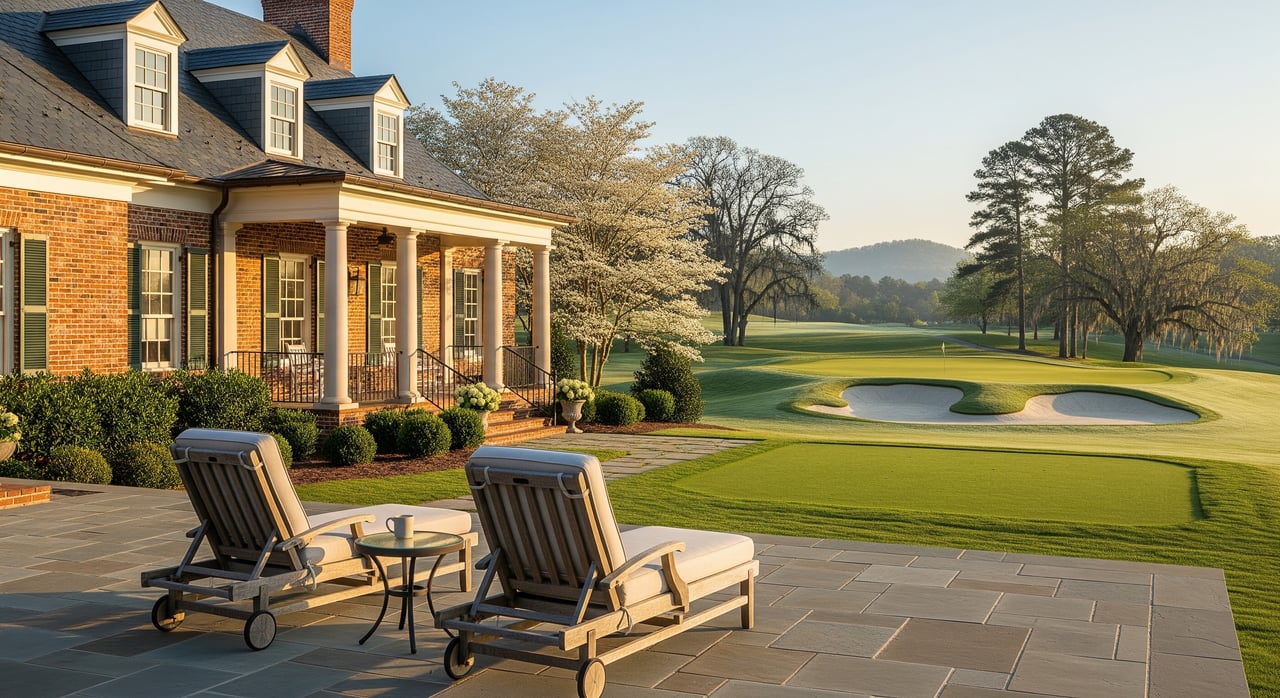
What if your morning walk begins on a dew‑tipped fairway and your evening ends with dinner at the clubhouse or a quick drive to Franklin Street? If you are weighing a move to Chapel Hill and want golf in your daily rhythm, you have options that fit different lifestyles and budgets. This guide shows you what life looks like across Chapel Hill’s golf communities, from in‑town convenience to nature‑forward living near Jordan Lake. You will see typical routines, amenities, commute context, and a buyer checklist to help you decide what fits. Let’s dive in.
Chapel Hill sits within the Research Triangle and blends a college‑town feel with access to major employers. You can typically reach Raleigh–Durham International Airport in about 30 to 45 minutes, depending on traffic and your neighborhood. Many residents commute 20 to 45 minutes to Durham or the Research Triangle Park. The result is a location that supports both work and play.
Demand for golf‑oriented living here stays steady thanks to UNC faculty and staff, medical and research professionals, and retirees. Homes inside or next to club communities often carry a price premium because of amenities, larger lots, and governance that preserves the setting. Families also value the town’s amenities and school options, which adds to long‑term appeal.
UNC Finley is the university’s course, and it supports UNC teams along with community access that can vary. Because it is woven into campus life, the surrounding neighborhoods feel more integrated with town than a private, gated club. Homes near Finley tend to be in established areas, with lot sizes and architecture that reflect in‑town Chapel Hill.
You might play an early round, pop over to campus for work or meetings, and be seated at a Franklin Street restaurant by evening. If you want golf in your orbit without a private‑club structure, this area offers an easy blend of fairways, culture, and convenience.
Governors Club is a private, planned community with an 18‑hole championship course and a full slate of amenities. You will find a clubhouse, dining, fitness, tennis, pool, and a busy social calendar. Many homes sit on larger lots with higher‑end finishes, and several sections are gated with HOA governance and architectural standards.
A typical day might start with morning practice or a tee time, a few errands or volunteer work, then a member dinner or event in the early evening. If you prefer a quieter, resort‑style neighborhood with structured club life and a strong social network, this community fits well.
Chapel Hill Country Club is a private club located within the town. Membership provides access to golf, tennis, pool, dining, and year‑round programming. The surrounding neighborhoods are well‑established with mature trees and shorter drives to downtown and UNC venues.
Living here often means a quick walk or drive to the course for morning play, time on campus or at cultural events midday, and a return to the club for family activities or dinner. If you want in‑town convenience with a classic club experience, this is a strong match.
Southwest of Chapel Hill, the Jordan Lake area draws buyers who value water access, trails, and a more rural or semi‑rural feel. Communities marketed around Jordan Lake often feature larger lots and outdoor‑focused amenities. Some developments near the lake include golf or practice facilities, while others lean primarily on lake recreation.
Your week might include a sunrise paddle, midday remote work, and a relaxed evening at home or a drive into Chapel Hill for dining. Expect longer drives to downtown compared with in‑town clubs, balanced by abundant nature and recreation.
Verify whether a course is public or private. University‑run and public courses can have changing access policies, while private clubs require membership for full use of facilities. Membership fees, guest policies, and minimums vary, so confirm current details directly with each club.
Planned club communities often have architectural covenants and a review board. These rules guide exterior changes, paint colors, and landscaping. HOA fees vary by the level of amenities and services, and properties along fairways can have cart‑path easements or special setbacks.
Homes inside or just outside golf communities often command higher prices. How well a club is managed and how active the social calendar is can influence long‑term value. Ask about resale history and how many homes are typically on the market.
Many clubs offer robust non‑golf amenities, but some are more golf‑centric. You should also expect early maintenance activity and occasional pesticide or herbicide use on the course. Near Jordan Lake, ask about conservation areas, stormwater management, and any easements.
If you want shorter drives to UNC or downtown, in‑town options like Chapel Hill Country Club or the UNC Finley area stand out. Governors Club offers manageable commutes to RDU and RTP, with typical drive times shaped by location and traffic. Chapel Hill Transit provides local bus service, including some fare‑free coverage.
Many golf‑area homes fall within Chapel Hill‑Carrboro City Schools. The district is well‑regarded regionally. Always confirm school assignments for the exact property address.
For lake‑area properties, review flood‑zone maps and insurance implications. Homes near fairways should be evaluated for any safety measures like netting or buffers. Ask about each club’s maintenance policies and chemical use.
Choosing between the UNC Finley area, Governors Club, Chapel Hill Country Club, and Jordan Lake starts with lifestyle. Do you want in‑town convenience and quick access to campus culture, a private resort setting with a full slate of events, or a nature‑forward rhythm by the lake? Once your priorities are clear, it becomes much easier to align membership structures, HOA rules, and commute preferences with the right neighborhood.
If you are ready to explore listings, compare club options, or map amenities to your daily routine, connect with a local golf‑lifestyle specialist. Start a conversation with Eddie Niemeyer for tailored guidance and a clear plan forward.
Stay up to date on the latest real estate trends.
Eddie Niemeyer leverages local Raleigh knowledge, Coldwell Banker Advantage’s vast resources, and a client-centered mindset. Let him guide you confidently through buying, selling, or investing with personalized service and strategic insight.