
Durham Golf Memberships: A Clear Guide for Homebuyers
December 4, 2025
December 4, 2025
Thinking about a home in Durham and wondering how golf memberships actually work? You are not alone. Membership types, fees, and transfer rules can be confusing when you are trying to match a club lifestyle with the right neighborhood. This guide breaks down what you will see in Durham, how equity and non-equity clubs differ, what costs to expect, and the steps to take before you sign. Let’s dive in.
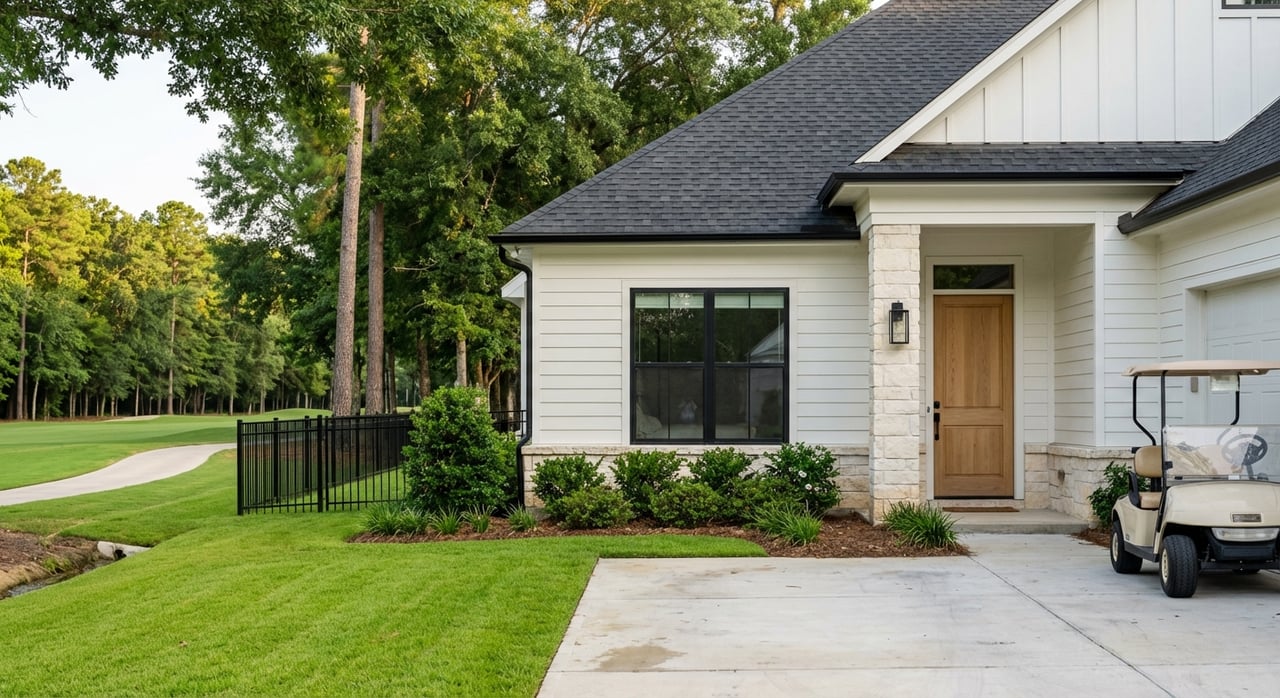
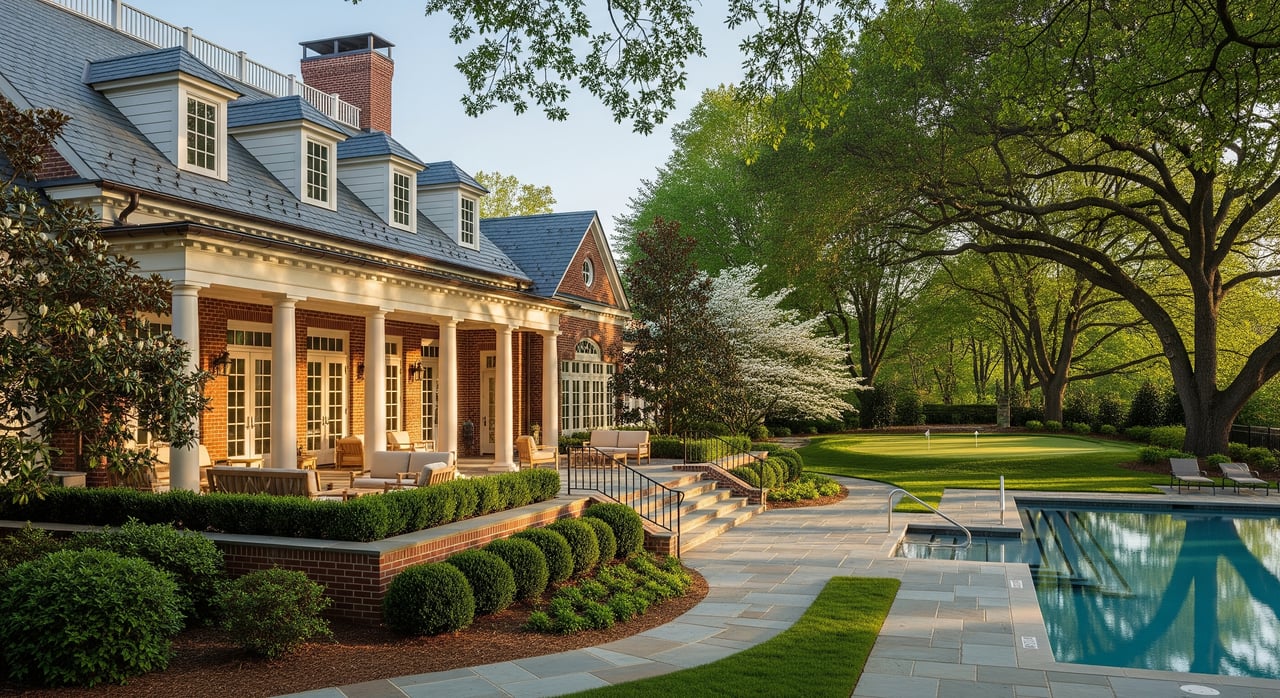
In Durham County you will find a mix of established private clubs, university-affiliated facilities with limited public access, public or municipal courses with membership programs, and neighborhood HOA amenities. Newer suburban communities often include pools and fitness centers through the HOA rather than a traditional private country club membership. Your best fit comes down to how often you golf, what amenities you want, and the budget you plan to maintain.
Full golf memberships typically include unlimited golf with priority tee times, practice facilities, clubhouse dining, and social events. They are built for golfers and families who want the club to be the center of their free time. Some clubs cap the number of full golf members, which can create waitlists during high demand periods.
Sports memberships usually center on tennis, pool, and fitness, with group classes and social events. Golf access may be limited or not included. If your family uses courts and pool more than the course, this can be a smart value.
Social memberships provide access to clubhouse dining and club events. Golf and full sports amenities are usually excluded or available through limited guest use. This option suits neighbors who want a social hub without paying for golf privileges.
Clubs often offer variants that limit day-of-week, time of day, or tailor pricing for age groups. Weekday-only can work for retirees or remote workers with flexible schedules. Junior and young professional tiers can reduce upfront costs while you build your network at the club.
Companies can hold memberships that rotate among employees or designate a primary user. If your employer offers this, ask how guest rules and tee sheet priority apply to you.
Some Durham neighborhoods run their own non-private amenity centers. These are governed by the HOA, not by a member-owned or proprietary club. Expect pools, fitness rooms, and event spaces, with rules set by the HOA instead of traditional club bylaws.
Choosing between equity and non-equity is as important as picking your membership type. It affects your control over club decisions, transfer options, and long-term costs.
In an equity club, members collectively own the club through shares or similar interests. You typically pay an initiation to buy that share, and you may be able to resell it when you resign, depending on the bylaws. Members elect a board, vote on major projects, and can be subject to special assessments for capital needs.
In a non-equity or proprietary club, a company or individual owns the club. Your initiation buys access, not ownership, and it is commonly non-refundable. The owner sets rules and fees and can change them as needed to keep the operation viable.
Every club prices differently, but the structure is fairly standard. Plan for both upfront and ongoing items, and review the club’s history of fee changes or capital projects before you commit.
Tip: Include dues and food minimums in your monthly housing budget. Keep initiations as a separate cash consideration when you plan your move.
As you compare Durham options, get a current membership packet and confirm the details in writing. Policies change, and waitlists can shift seasonally.
A waitlist can delay your golf access even if you close on a nearby home. Some sellers or developers arrange temporary guest privileges, but you should verify the terms and timing. Build this into your move-in plan so you are not surprised.
Proximity matters if you plan to play or visit the club several times a week. Durham traffic patterns and route options can turn a short drive into a longer commute, so test the trip during your typical play times. If you choose a neighborhood with an HOA amenity center instead of a private club, confirm that the amenities align with your lifestyle.
Resale value follows clarity on membership. A transferable equity membership that can convey may appeal to future buyers who want club access. Non-transferable memberships typically do not change resale value, so plan your home decision around lifestyle and convenience rather than expected premium.
Financial planning is key. Keep initiation as a separate line item from down payment and closing costs. Include dues and food minimums in your monthly budget, and ask about the club’s history of assessments. Lenders usually do not lend against initiations or membership shares, so keep cash ready if you want to join at closing.
If you are weighing club options alongside your Durham home search, let a golf-lifestyle specialist guide the process. Ready to line up the right club with the right neighborhood? Connect with Eddie Niemeyer to schedule a free consultation.
Stay up to date on the latest real estate trends.






Eddie Niemeyer leverages local Raleigh knowledge, Coldwell Banker Advantage’s vast resources, and a client-centered mindset. Let him guide you confidently through buying, selling, or investing with personalized service and strategic insight.