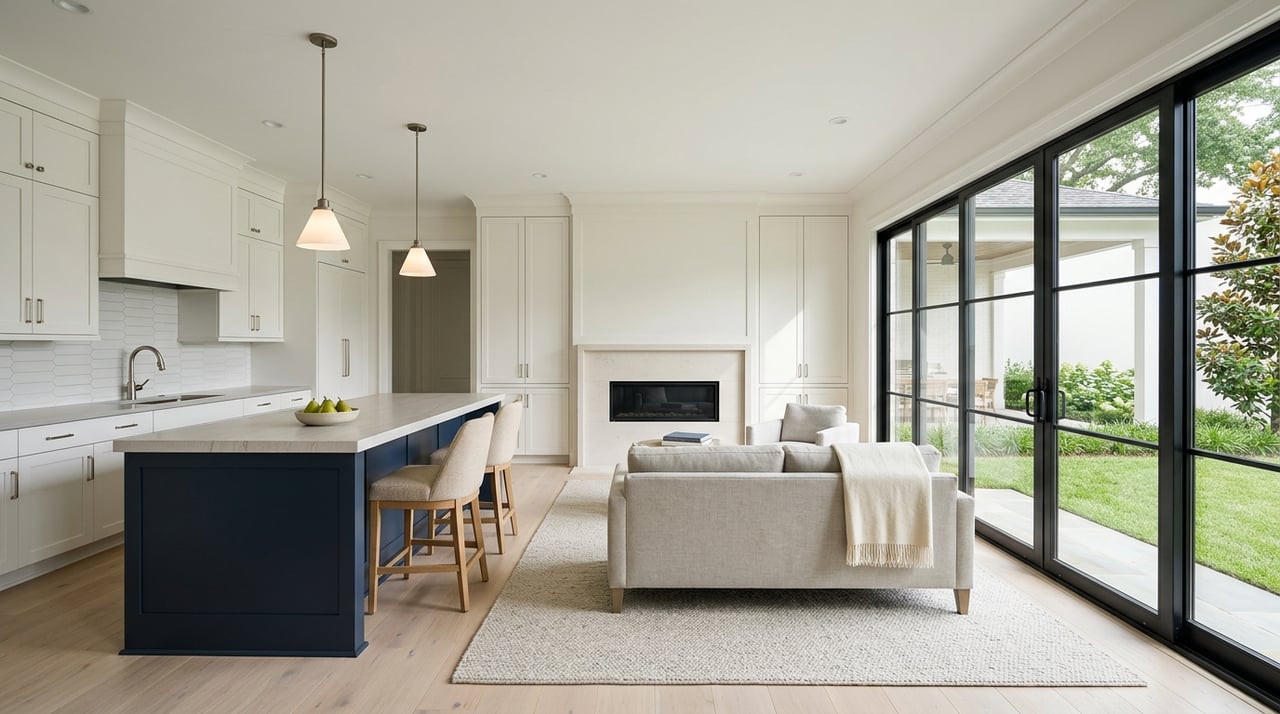
How to Sell a Chapel Hill Golf Home to Relocating Buyers
June 18, 2026
June 18, 2026
Relocating buyers often decide fast, and many start narrowing homes down before they ever set foot in Chapel Hill. If you are selling a golf home, that creates both a challenge and an opportunity. When your home is presented clearly, visually, and with the right local details, you can help out-of-town buyers feel confident sooner. Let’s dive in.
Relocation buyers usually do more of their early decision-making online than local buyers. According to 2024 buyer trend data from the National Association of Realtors, buyers found photos, detailed property information, floor plans, virtual tours, and neighborhood information especially useful during their search.
That matters even more for a Chapel Hill golf home. Your buyer may be comparing lifestyle, views, maintenance needs, and community structure from another city or state. If your listing leaves important questions unanswered, they may move on before ever booking a showing.
Chapel Hill offers more than a home on or near a course. The town highlights its connection to UNC-Chapel Hill, K-12 schools, trails, parks, and local businesses and dining. Chapel Hill Parks and Recreation also maintains more than 730 acres of public spaces along with a greenway and trails system.
For a relocating buyer, that bigger picture matters. They are not only choosing a house. They are also trying to picture daily life, weekend routines, nearby amenities, and how the golf setting fits into the broader Chapel Hill lifestyle.
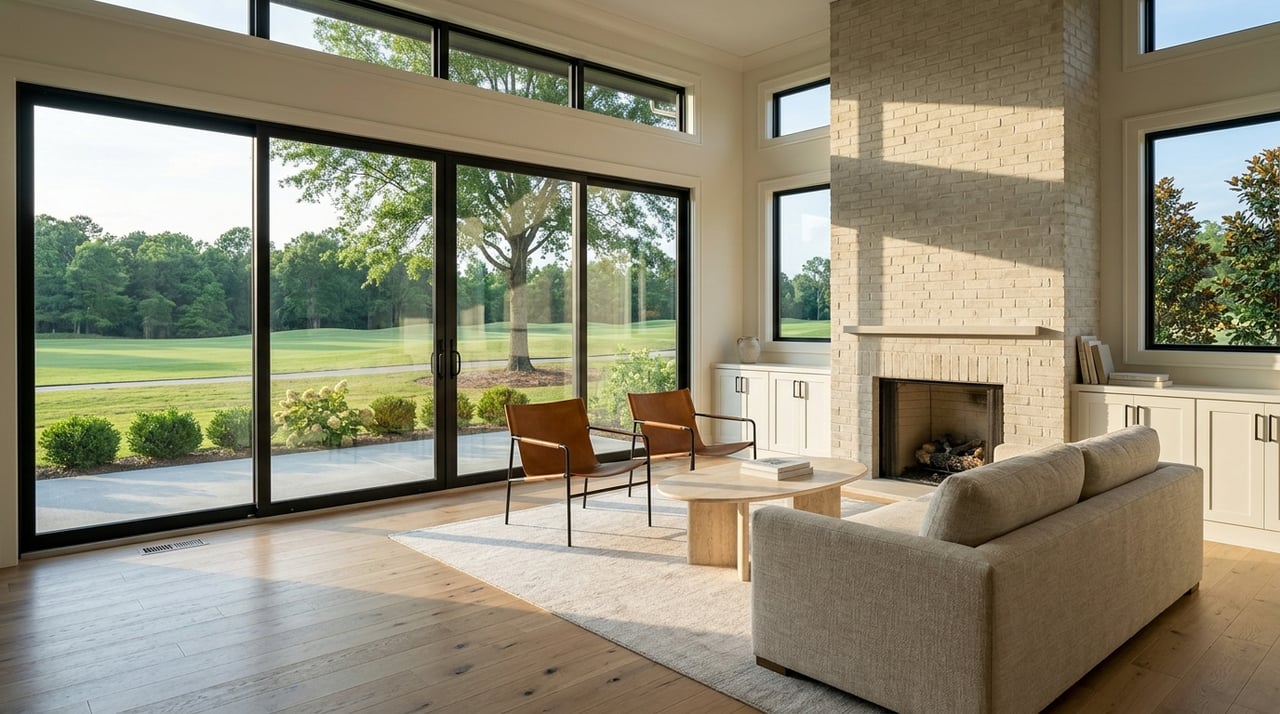
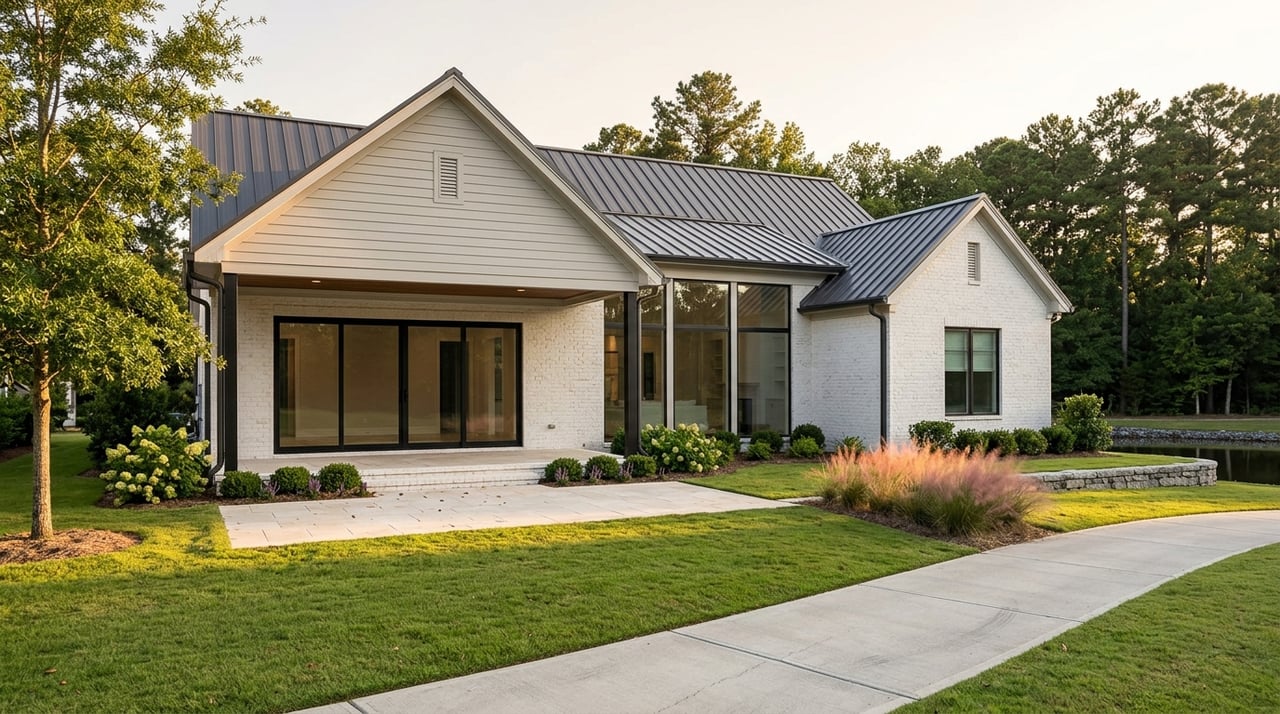
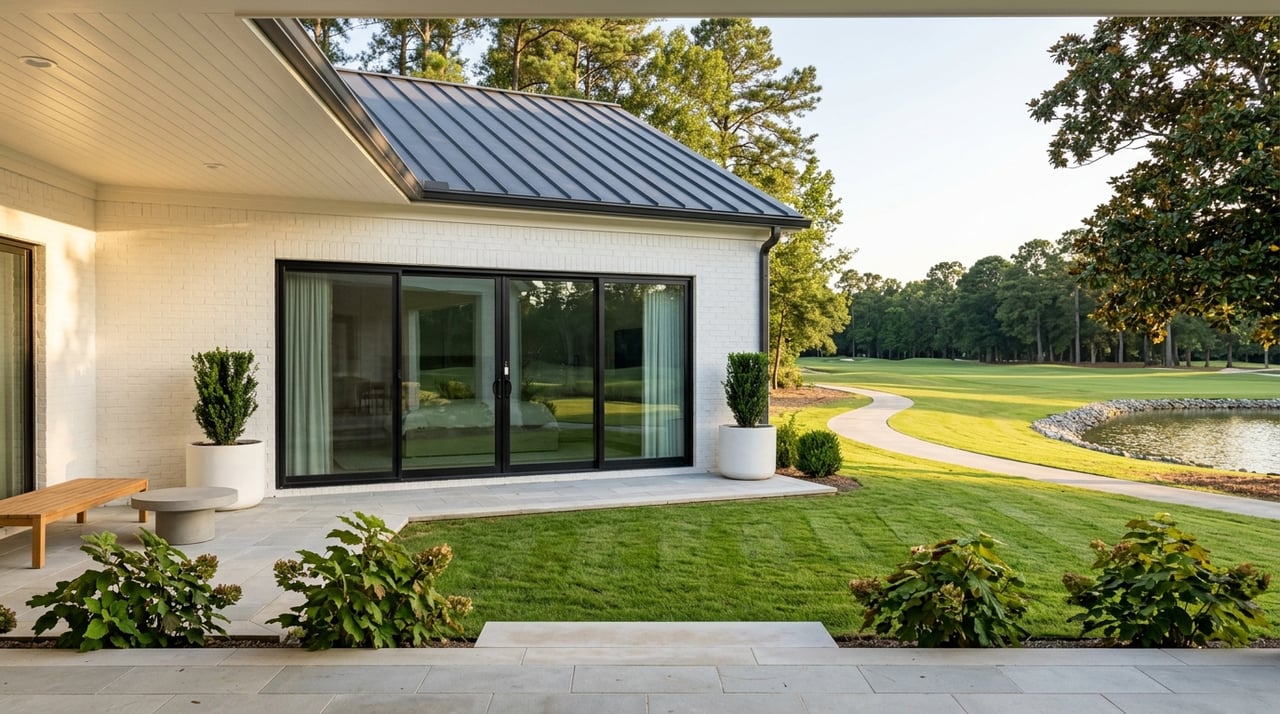
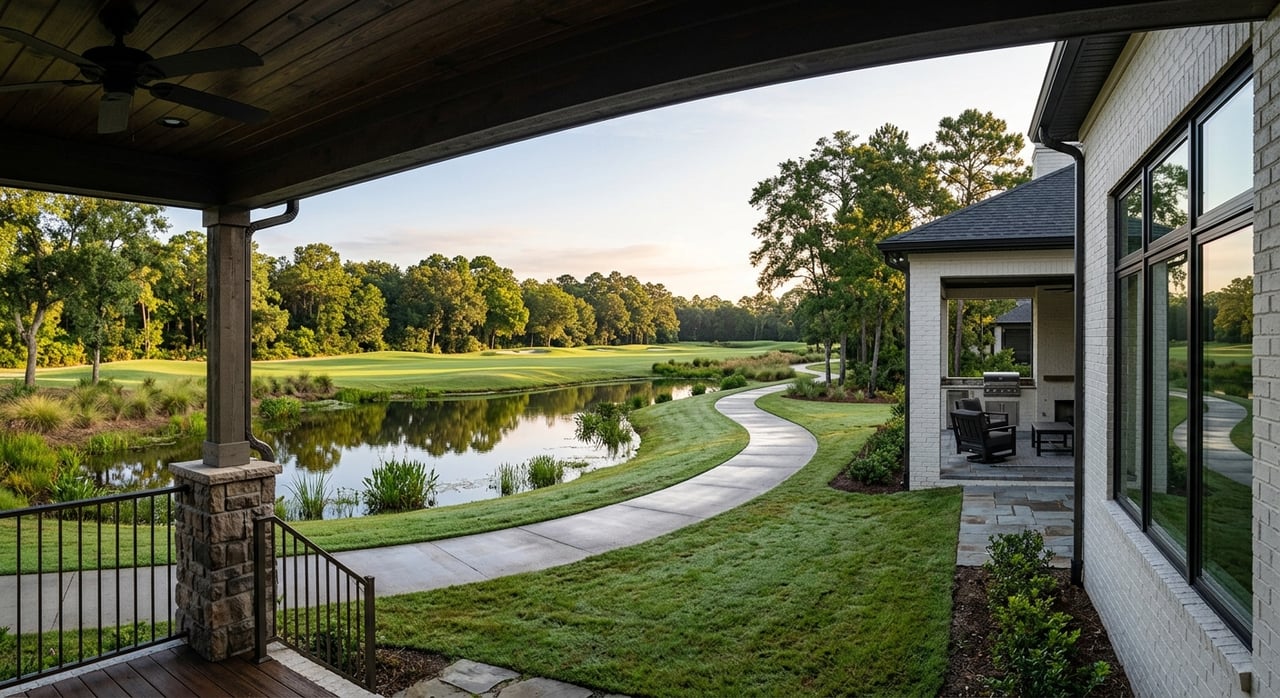
A relocation buyer should understand the home’s golf setting within seconds of seeing the listing. If your property has fairway views, green views, or strong outdoor living spaces, those features should show up early and clearly in the photo package.
This is especially important because relocation trends show that outdoor space and quieter surroundings are meaningful drivers for many movers. In a golf community, a patio, deck, screened porch, or seating area can help buyers imagine the lifestyle, not just the layout.
Your first images should answer a simple question: Why this golf home? Focus on the parts of the property that connect the home to its setting.
Consider highlighting:
Staging is especially helpful when buyers are relocating and trying to make decisions from a screen. The National Association of Realtors describes staging as cleaning, decluttering, repairing, depersonalizing, and updating the home so buyers can picture themselves living there.
For golf homes, this does not mean overdesigning the space. It means helping buyers see a clean, functional, welcoming home that feels easy to step into after a move.
Staging guidance points to bedrooms, living rooms, and bonus or office spaces as high-impact areas. That is useful for relocation buyers, who often want flexibility for guests, remote work, or changing routines.
Before photos or showings, focus on:
If the home is vacant or partially vacant, virtual staging may also help buyers understand scale and function more easily.
In a Chapel Hill golf home, outdoor space should never feel like an afterthought. Buyers often respond strongly to areas where they can relax, entertain, or enjoy the setting.
Arrange outdoor furniture neatly, clear away distractions, and make each area feel usable. A small seating group, a tidy dining setup, or a well-framed porch view can help the golf backdrop feel like a daily benefit instead of just scenery.
Your outdoor presentation should answer practical lifestyle questions. Can the buyer enjoy coffee with a view? Is there room to host friends? Does the space feel private, open, or easy to maintain?
The more clearly you show those answers, the easier it becomes for a relocating buyer to picture living there.
A strong listing is not just about photos. It should also make the important paperwork and community details easier to understand.
North Carolina law requires a residential property disclosure statement and, when applicable, an owners’ association and mandatory covenants disclosure statement. These disclosures cover known issues and can include matters such as water and sewer, structural systems, pests, zoning or restrictive covenants, environmental concerns, and assessment obligations. They must be delivered no later than the time the buyer makes an offer, and the buyer may cancel if they were not delivered on time.
For out-of-town buyers, having these details organized early can reduce confusion and build trust.
Your listing packet should make common relocation questions easier to answer, including:
This type of preparation signals that the home is well represented and that the sale process will be more straightforward.
School information often matters to relocating buyers, but it needs to be handled carefully and factually. Chapel Hill-Carrboro City Schools states that students are assigned to the school zoned for the home address and directs families to its School Assignment Map and enrollment resources.
For your listing, the key is clarity. Make it easy for buyers to identify that the home is subject to school zoning by address and that final assignment should be confirmed through the district’s assignment tools.
A golf home listing should show more than the course. Buyers relocating to Chapel Hill may also want to understand how the home connects to the town’s larger lifestyle.
Chapel Hill describes itself through features like UNC-Chapel Hill, parks, green spaces, trails, and local businesses and dining. Including this broader context can help buyers compare one community to another and understand what daily living may feel like beyond the gates or fairways.
In your marketing, focus on neutral, factual details such as:
This helps relocation buyers build a fuller mental picture without overpromising or leaving too much unsaid.
If your home was built before 1978, lead-based paint disclosure rules may apply. That is a detail worth checking early in the listing process so you are not scrambling once a serious buyer appears.
Early prep is one of the best ways to reduce delays. It also makes your home feel more move-in ready from both a physical and paperwork standpoint.
If you want your Chapel Hill golf home to stand out to relocating buyers, start with a focused plan.
Here is a practical checklist:
Relocation buyers are often balancing timing, uncertainty, and a major life transition. They want a home that feels easy to understand and a process that feels well managed.
That is where polished marketing and golf-community expertise can make a real difference. When your home is staged well, photographed with purpose, and packaged with the right Chapel Hill details, you make it easier for the right buyer to say yes.
If you are preparing to sell a golf home in Chapel Hill, working with a specialist can help you present both the property and the lifestyle with clarity. To talk through pricing, positioning, and marketing strategy, connect with Eddie Niemeyer.
Stay up to date on the latest real estate trends.

Eddie Niemeyer leverages local Raleigh knowledge, Coldwell Banker Advantage’s vast resources, and a client-centered mindset. Let him guide you confidently through buying, selling, or investing with personalized service and strategic insight.