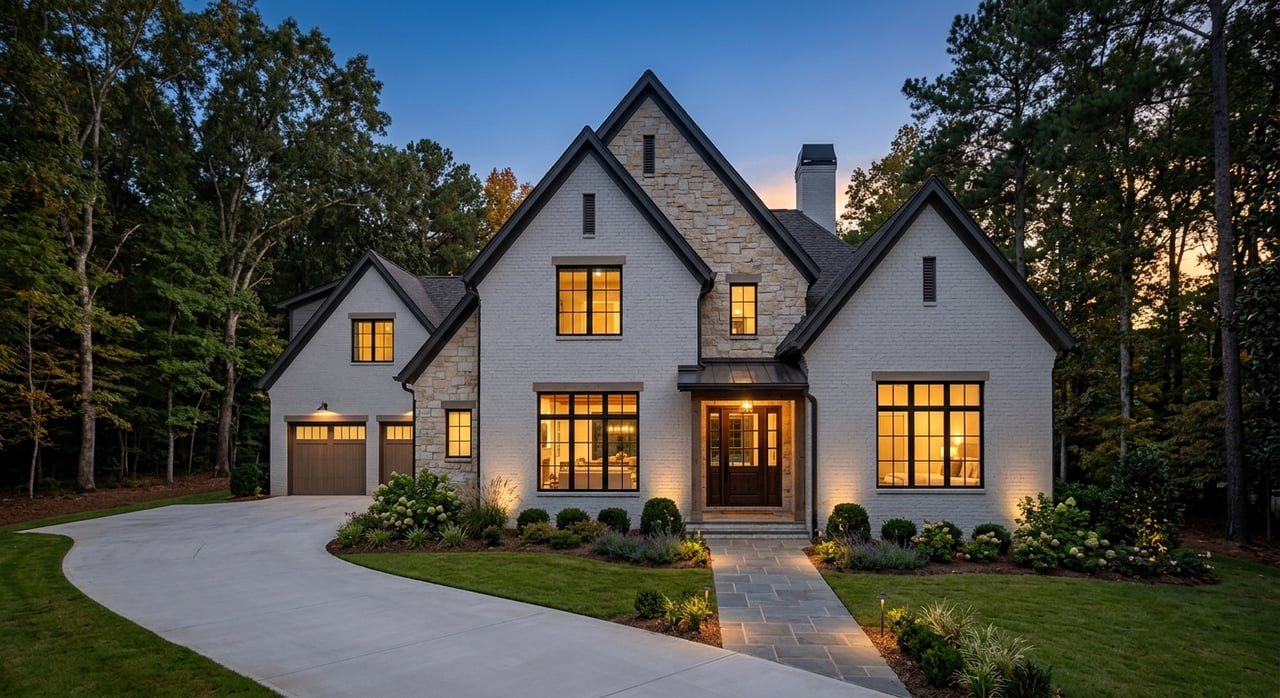
How to Sell a Durham Golf Home to Relocation Buyers
May 21, 2026
May 21, 2026
If you are selling a golf home in Durham, you are not just marketing square footage. You are marketing a move. Many buyers looking at Durham from out of town are weighing a new job, a new routine, and a new lifestyle all at once. When your listing speaks clearly to that bigger decision, you can stand out faster and attract more serious interest. Let’s dive in.
Durham has strong relocation appeal because it combines major employment, university presence, and a well-known lifestyle scene. Research Triangle Park includes more than 170 companies and employs over 49,000 people, which puts Durham on the radar for many work-related moves. Duke is also the largest employer in Durham County, adding to the steady flow of people considering a move to the area.
For buyers coming from another city or state, golf may be only one part of the decision. They may also be thinking about commute routes, access to medical care, proximity to universities, and how easy it feels to settle into daily life. Durham offers that broader appeal, with more than 300 restaurants, more than 40 annual festivals, and strong traffic through RDU.
That matters when you market your home. A relocating buyer is often asking, "Does this home fit the life I am building in Durham?" Your marketing should answer that question clearly and early.
A golf home in Durham can appeal to different types of buyers, even when they are all drawn to the same area. Some want private club living. Some prefer public or semi-private golf access. Others simply want the views, setting, and neighborhood feel that come with living near a course.
Durham has nine golf courses, including six public or semi-private courses and three private courses. That variety means your listing should avoid vague language. Instead, it should explain exactly what kind of golf environment surrounds the home and what a buyer can expect.
This is one of the most important details for a relocating buyer. If someone is searching online from another state, they may not know whether a home comes with direct club access, optional membership, or no membership at all.
Your listing should clearly state whether the nearby golf option is:
Examples across Durham show why this matters. Duke University Golf Club offers public access, while Hope Valley Country Club, Croasdaile Country Club, and Treyburn Country Club offer private or membership-based experiences with different amenity packages.
Relocating buyers often care about more than golf. They may want to know whether the club or community includes tennis, swimming, fitness, dining, or social events. If those details apply, they should be explained in plain language.
Do not assume buyers know the difference between one club and another. Clear descriptions help them picture everyday life and reduce confusion before they ever schedule a showing.
Most relocating buyers will see your home online before they ever step inside. That means your digital presentation needs to do more than look nice. It needs to help an out-of-area buyer understand the property quickly and accurately.
Research shows that buyers place high value on photos, detailed property information, and floor plans. Zillow's 2024 housing-trends research also found that buyers are more likely to view a home if the listing includes a floor plan, and that 3D tours help them understand the space better.
At the same time, virtual content is not a complete substitute for an in-person visit. Zillow reported that only 23% of buyers felt very or extremely confident making an offer from a virtual tour alone in 2024. That means strong digital assets should create interest and confidence, but still encourage a personal tour.
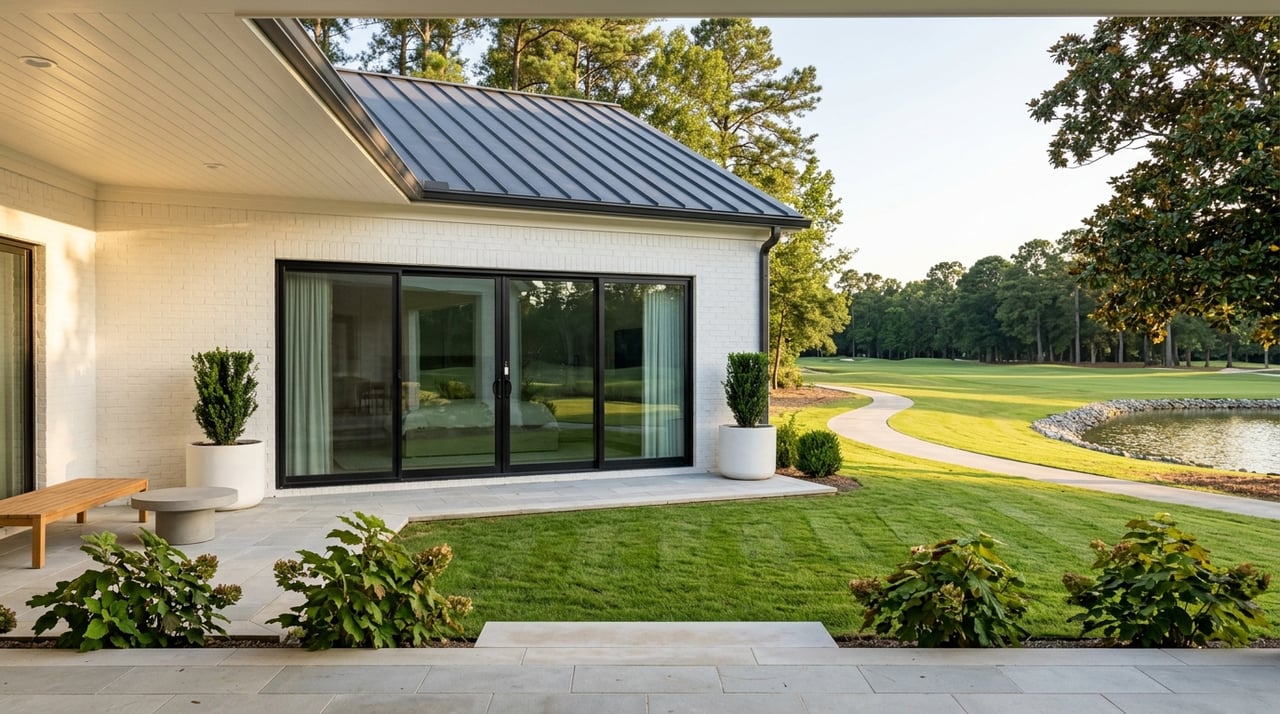
For a Durham golf home, professional visuals should do more than highlight attractive finishes. They should also help a relocating buyer understand how the home lives and how it connects to the golf setting.
Your marketing package should ideally include:
Staging also has practical value. Research from NAR shows that staged photos can make buyers more willing to schedule an in-person walkthrough because they can better picture themselves in the space.
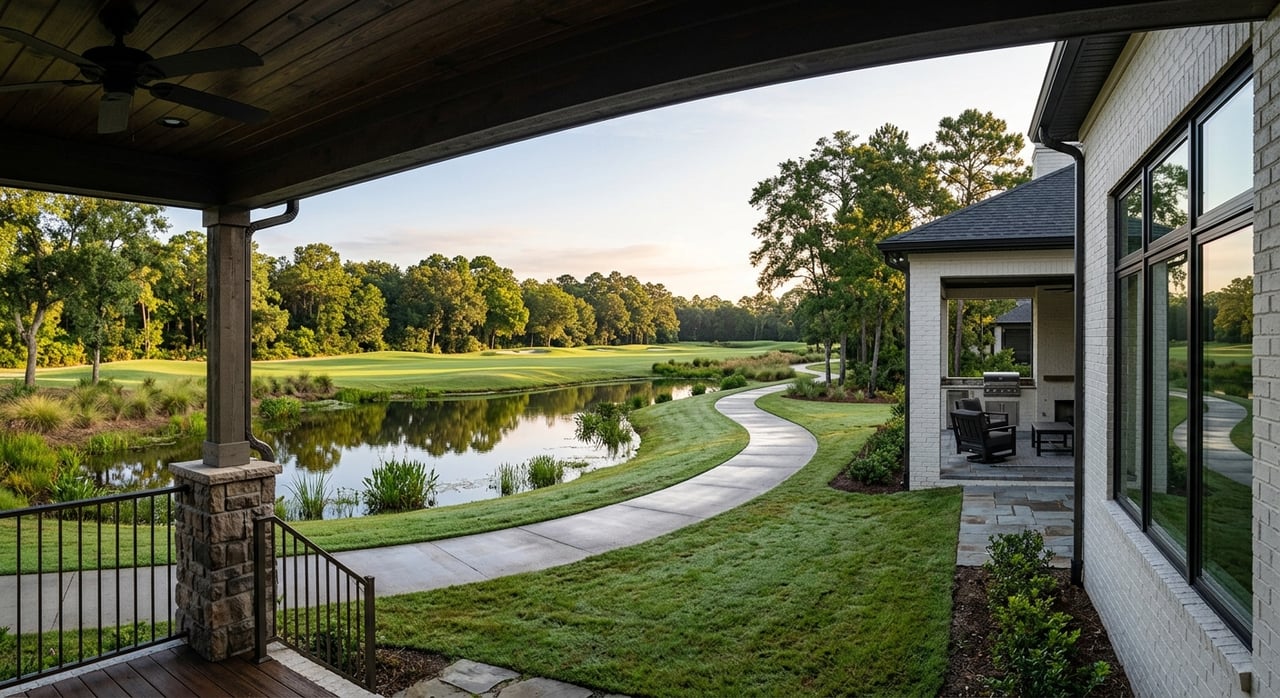
If the home backs to a fairway, overlooks water, or sits near a cart path or clubhouse, those features should be shown with intention. Buyers relocating to Durham are often searching for a lifestyle feel, not just an address.
That does not mean overselling. It means helping buyers understand the setting honestly through wide shots, exterior views, and property descriptions that explain the relationship between the home and the course or club environment.
One of the fastest ways to lose a relocating buyer is to leave basic cost questions unanswered. Buyers moving from out of area are often comparing several communities at once, and they want a simple, transparent breakdown.
North Carolina Real Estate Commission guidance says most sellers of one- to four-unit residential properties must provide the Residential Property and Owners' Association Disclosure Statement before an offer is made. That includes listing dues, fees, assessments, and transfer fees payable to the governing association.
For golf properties, that same mindset should shape your marketing. Buyers need to understand what is tied to the HOA, what is tied to the club, and what may be optional.
This point is especially important in Durham because club structures vary. Some clubs offer multiple membership categories, including options for out-of-state or non-resident members. That means a buyer should never have to guess what is included with the home and what requires a separate decision.
Your marketing materials should clearly outline:
This kind of clarity builds trust. It also helps prevent disappointment later in the process.
A relocating buyer is usually balancing more moving parts than a local buyer. They may be planning around a job start date, a school-year transition, a university connection, or a shift in daily commute.
That is why good marketing should not stop at the home itself. It should also explain how the location fits into Durham life in a factual, practical way.
Common buyer questions often include how close the home is to Duke, RTP, North Carolina Central University, downtown Durham, and RDU. These are natural points of reference for someone moving to the area.
In your listing copy and marketing packet, include practical location context that helps buyers understand the home's position within Durham. Keep the language factual and neutral, and focus on convenience rather than hype.
If you want stronger engagement from out-of-area buyers, your marketing should answer the questions they are already asking. In Durham golf communities, those often include:
When those answers are easy to find, buyers can move from casual interest to serious inquiry much faster.
Golf-home marketing works best when it feels confident, simple, and accurate. Relocating buyers are already processing a lot of information, so dense or overly promotional copy can slow them down.
Use plain language that explains the home, the golf access, and the cost structure without fluff. A polished presentation matters, but clarity is what builds confidence.
For many Durham golf-home sellers, the strongest marketing message is a mix of home features, golf context, and relocation practicality. That balance helps you appeal to buyers who care about lifestyle but still need solid information to make a smart move.
A strong listing presentation should help buyers quickly understand:
When those pieces come together, your home becomes easier to picture, easier to compare, and easier to act on.
Marketing a Durham golf home to relocating buyers is different from marketing a standard listing. You are speaking to buyers who may know very little about local club structures, who are shopping online first, and who want both lifestyle appeal and practical clarity.
That is where focused golf-community knowledge can make a real difference. When your marketing reflects how buyers actually search, compare, and decide, your home is better positioned to attract qualified attention.
If you are preparing to sell and want a strategy built around Durham's golf lifestyle and relocation demand, connect with Eddie Niemeyer for a personalized consultation.
Stay up to date on the latest real estate trends.

Eddie Niemeyer leverages local Raleigh knowledge, Coldwell Banker Advantage’s vast resources, and a client-centered mindset. Let him guide you confidently through buying, selling, or investing with personalized service and strategic insight.